

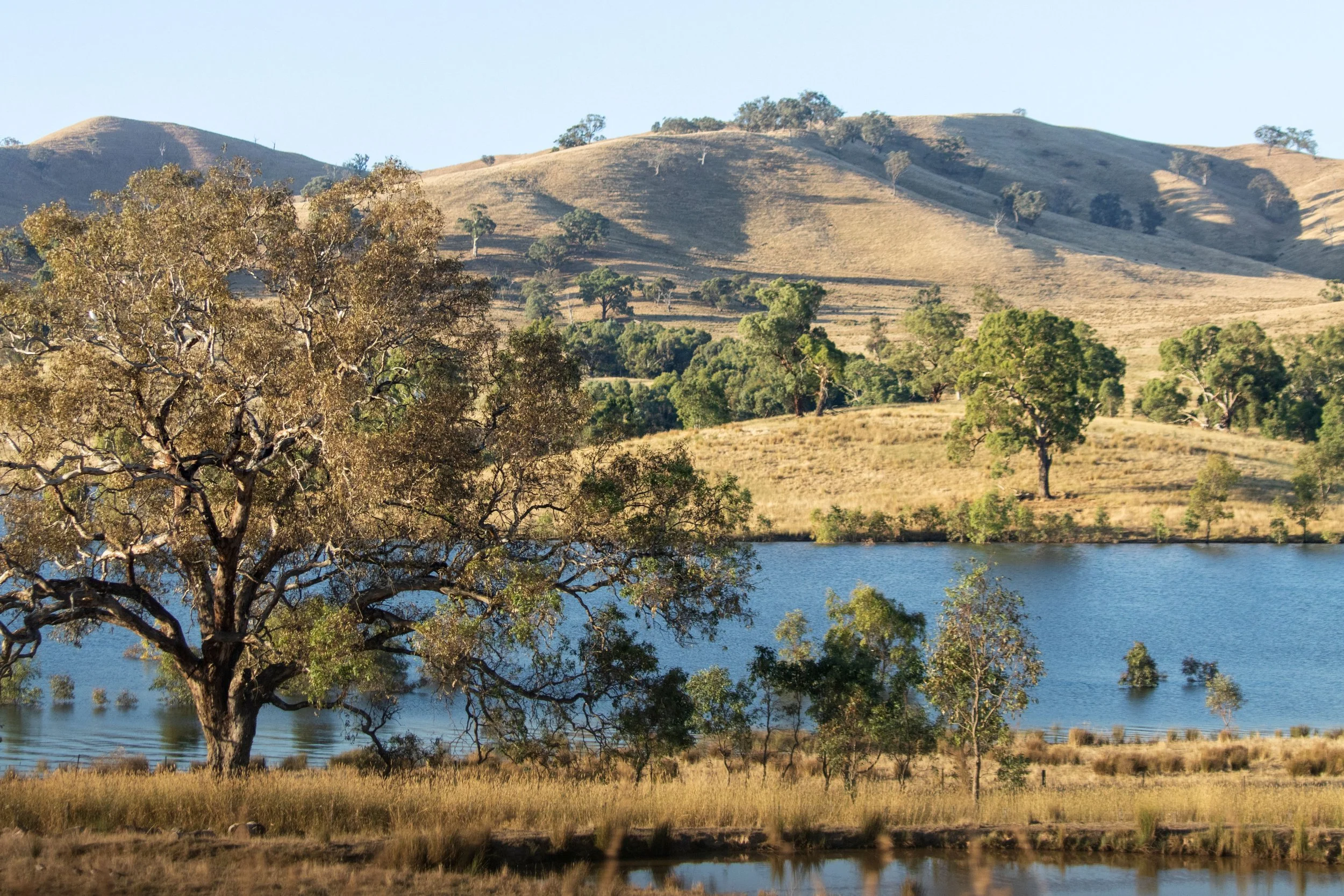
Water Management
We worked in close partnership with Murray–Darling Basin communities, local government authorities, and regional bodies to facilitate culturally informed, practical, and long-term approaches to sustainable water resource management. Our engagement framework treated water not merely as a finite commodity, but as a deeply connected life system that underpinned the survival and vitality of regional landscapes. By building reciprocal trust from day one, we helped design operational models that respected both local water security requirements and the unique cultural landscapes of the Basin.
Central to this work was a rigorous focus on identifying systemic opportunities for stronger, leadership-level First Nations participation in water planning and statutory decision-making frameworks. We actively collaborated with Traditional Owners to map community water needs, transformed high-level policy intent into definitive actions, and navigated the complex regulatory landscapes managed by state and federal water authorities. This structured support equipped local groups with the technical tools, data sovereignty safeguards, and strategic frameworks needed to engage as equitable partners in water distribution and policy negotiation.
Ultimately, these combined efforts contribute to robust water management strategies that fully recognise the intrinsic cultural, environmental, and economic importance of water to Country and community. By translating thousands of years of ecological wisdom into definitive scientific and regulatory benchmarks, we ensure that modern water infrastructure delivery directly reinforces community self-determination. This dual-assurance approach safeguards valuable river systems and wetlands while establishing permanent, self-sustaining frameworks that protect water sovereignty for future generations.

Environmental Assessments
We delivered specialist environmental assessment services to support critical renewable energy and infrastructure projects across regional and remote locations. Our team identified potential environmental risks early in the project lifecycle, ensuring that critical ecological vulnerabilities were flagged well before construction commenced. By embedding our specialists into the early planning phases, we helped project proponents respond to complex statutory assessment requirements with practical, evidence-based advice that streamlined subsequent regulatory pathways.
A primary technical focus of this work involved assessing potential noise and vibration impacts on invertebrate species, a critical yet frequently overlooked element of terrestrial ecosystem health. Our project team deployed advanced bioacoustic sensors and terrestrial monitoring infrastructure to gather baseline data, measuring how localised sound profiles affected key indicator species. This rigorous scientific data was systematically mapped against engineering plans to help proponents modify their acoustic footprints, mitigating development risks and preventing costly approvals bottlenecks.
Importantly, this work supports more responsible project design, stronger environmental compliance, and better outcomes for communities, proponents and the natural environment. By integrating rigorous scientific data with deep-time Traditional Ecological Knowledge, we continue to produce legally robust assessments that withstand intense regulatory scrutiny. This meticulous approach provides corporate boards with absolute confidence in their environmental compliance strategy while directly safeguarding Australia's sustainable future.

Cultural Heritage Reports
We stepped in to prepare clear, practical, and culturally informed cultural heritage reports to guide responsible project planning and corporate decision-making. From the outset, we structured our assessment framework to recognise the profound importance of Country, integrating enduring cultural values and community knowledge into the foundational design of the project. By doing so, we helped our clients clearly understand their legislative obligations, allowing them to manage sensitive cultural heritage considerations with genuine care, respect, and institutional accountability.
Our field teams brought together rigorous, evidence-based archaeological research with extensive on-the-ground engagement, consulting directly with relevant knowledge holders and Traditional Owners throughout the lifecycle of the project. This collaborative approach ensured that oral histories and physical land management traditions were meticulously documented alongside modern geographical data. By translating these sensitive cultural priorities into clear, professionally presented advice, we provided corporate boards and government departments with the absolute regulatory certainty required to progress safely.
The lasting impact of this work is a transparent governance framework where commercial infrastructure delivery and cultural preservation actively support one another. We replaced historically friction-heavy consultation processes with a streamlined, dual-assurance pathway that completely mitigated development risks while safeguarding irreplaceable heritage assets. Ultimately, this meticulous coordination delivered an audit-ready foundation that protected our client's capital investment while leaving a meaningful, self-determined legacy for the local community and Country.
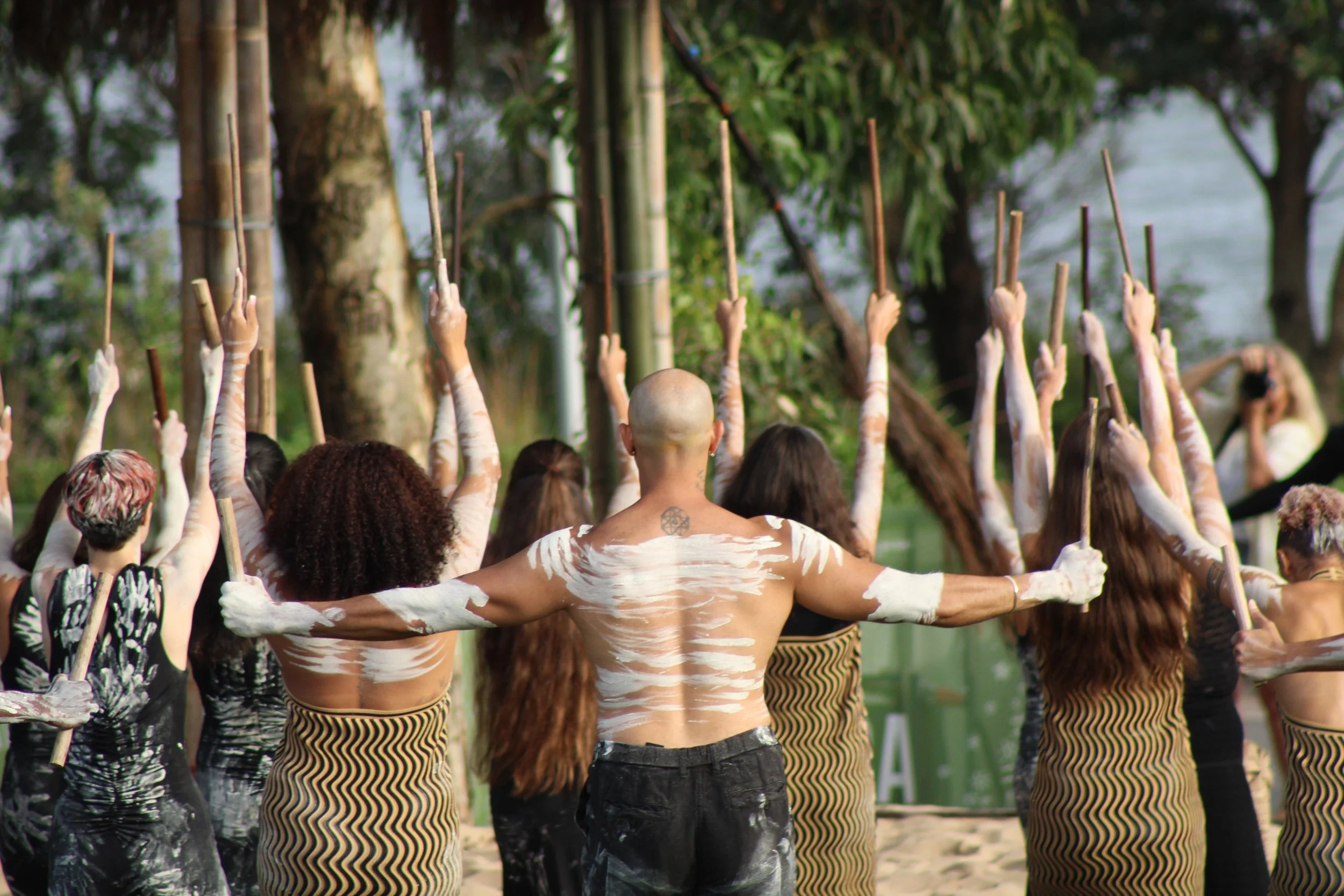
Language and Culture Revitalisation
We backed these foundational steps by actively supporting vital language and culture revitalisation projects designed to strengthen the profound connection between Country, community, identity, and intergenerational knowledge. Working directly alongside elders and local language custodians, we helped establish safe digital archiving and recording systems to document, protect, and activate language in ways that were entirely culturally grounded and community-led. By linking traditional linguistics with digital storytelling and localized educational platforms, we turned static records into living, breathing community assets that enriched schools, cultural centers, and local public spaces.
The true value of this work lies in how it systematically links language directly back to physical place and environmental practice. Integrating these revitalisation efforts into modern corporate engagement and land management frameworks has created meaningful opportunities for ancient knowledge to be carried forward confidently by future generations. This holistic approach supports deeper cultural continuity and greater community participation, ensuring that as local rangers and land managers care for Country, they are equipped with the precise traditional terminology and songs that have defined these landscapes for millennia.